
Table Of Content
When it comes to cybersecurity, the failures are a major concern. And, these Incidents rarely fail businesses on their own. But there is more business need to look out for. For example, hidden weaknesses. Businesses fail because hidden weaknesses surface under pressure. Many organizations believe they are prepared. But they are not always right to think like that. And, sometimes it exceeds and is realized when damage is done. When an incident actually tests their systems and teams. Cybersecurity Incidents create stress, urgency, and confusion. Weak processes quickly break down in these moments.
Leadership often focuses on prevention. It overlooks response readiness. Teams that work assume tools will protect them at every stage. While they believe it strongly but that assumption creates risk. Cybersecurity Incidents demand clarity, speed, and coordination. Without these elements, small issues escalate into serious disruption.
Preparation requires more than awareness. It requires structure and discipline. Businesses must understand that Cybersecurity Incidents expose gaps in planning, communication, and execution. These gaps exist long before an incident begins. When pressure rises, unresolved weaknesses become visible. Organizations that accept this reality prepare better and respond faster.
How Poor Planning Leads to Cybersecurity Incidents Escalation
Poor planning turns manageable situations into major failures. Many organizations operate without a defined response structure. When Cybersecurity Incidents occur, teams scramble for direction. Hence the decisions slow down. And this causes Confusion which spreads quickly.
Unclear responsibilities can create delays. In result, teams hesitate because no one owns the next step. Communication becomes reactive instead of intentional. This lack of structure allows Cybersecurity Incidents to expand in scope and impact.
Planning reduces uncertainty. Clear workflows guide teams during stressful moments. Without preparation, organizations rely on improvisation. Improvisation increases mistakes. Businesses that fail to plan before Cybersecurity Incidents often lose control during them. Preparation does not eliminate incidents. It limits damage and restores stability faster.
Why Businesses Underestimate Cybersecurity Incidents Impact
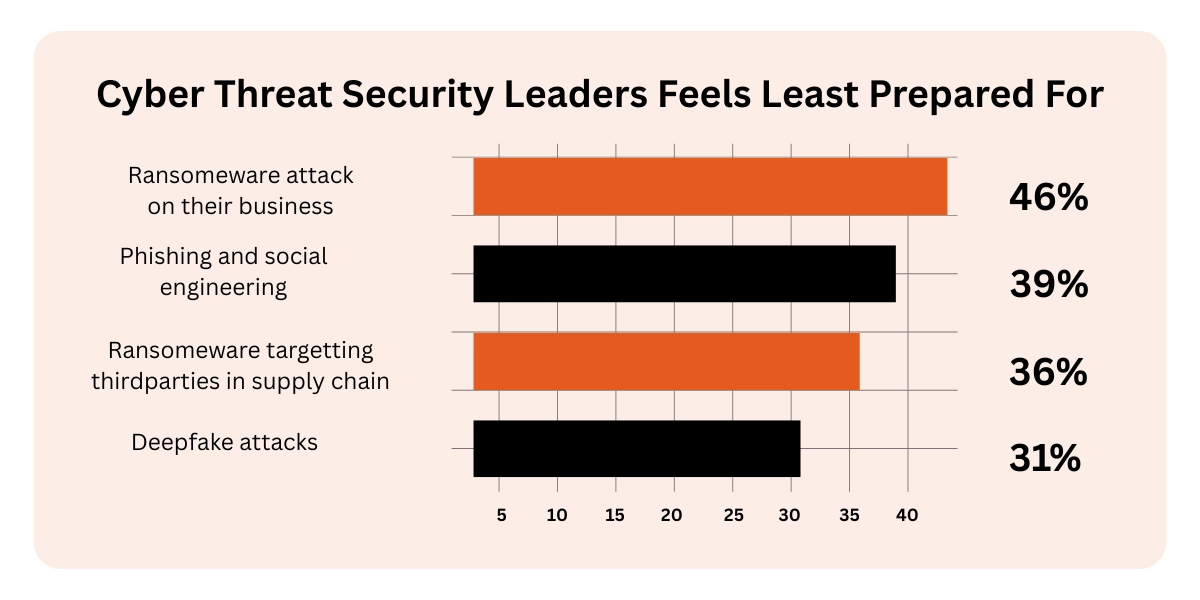
Many businesses believe Cybersecurity Incidents will not affect them deeply. This belief creates complacency. Leaders often assume existing controls provide enough protection. They underestimate how quickly disruption spreads across systems and teams.
Overconfidence weakens readiness. Teams delay preparation because the risk feels distant. Cybersecurity Incidents challenge this mindset. They disrupt operations, strain communication, and test leadership under pressure.
Your preparation requires accepting uncertainty. Organizations that underestimate Cybersecurity Incidents delay action. Delayed action increases exposure. Businesses must recognize that impact depends on readiness, not intention. Awareness alone does not prevent failure. Preparation changes outcomes.
How Internal Confusion Makes Cybersecurity Incidents Worse
Internal confusion magnifies disruption. During Cybersecurity Incidents, teams need direction. Without clear leadership and defined roles, uncertainty dominates. Employees wait for guidance. Decisions stall.
Communication gaps increase stress. Teams share incomplete information. Messages conflict. Cybersecurity Incidents demand speed, but confusion slows progress. This delay worsens the situation.
Clear ownership improves response. When teams understand their responsibilities, they act with confidence. Coordination improves outcomes. Businesses that fail to establish clarity before Cybersecurity Incidents struggle when pressure rises. Structure creates stability during chaos.
Why Technology Alone Cannot Stop Cybersecurity Incidents
Technology supports security efforts, but it does not replace strategy. Many businesses rely heavily on tools and platforms. They believe automation will solve every problem. Cybersecurity Incidents prove otherwise.
Tools require people to guide them. Systems require processes to function effectively. Without trained teams and defined workflows, technology becomes ineffective. Cybersecurity Incidents reveal this dependency quickly.
Groundwork balances people, process, and technology. Businesses that rely only on tools struggle during complex situations. Technology supports response, but leadership and coordination drive outcomes. Cybersecurity Incidents demand more than software.
How Reactive Responses Increase Damage During Cybersecurity Incidents
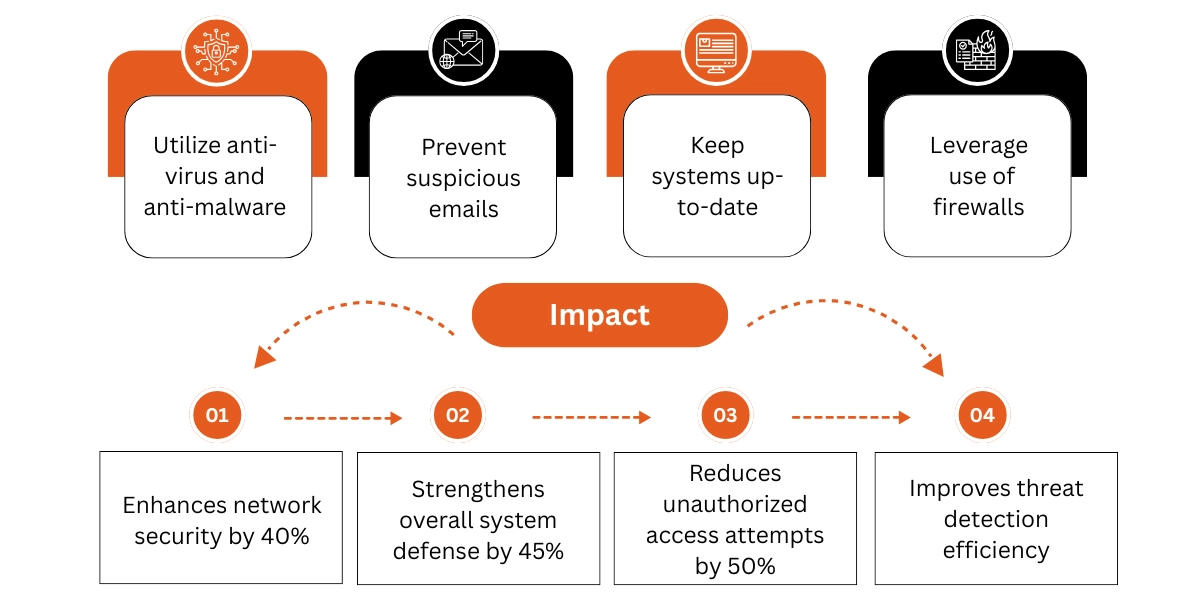
Reactive behavior creates instability. When Cybersecurity Incidents occur, panic leads decisions. Teams act without alignment. This behavior increases risk and delays resolution.
Reactive responses lack structure. Teams address symptoms instead of causes. Actions overlap or conflict. Cybersecurity Incidents require calm execution, not rushed reactions.
Prepared organizations respond with confidence. They follow predefined steps. They communicate clearly. Reactive organizations struggle to regain control. Preparation transforms response quality and reduces disruption during Cybersecurity Incidents.
Building Strong Foundations to Prepare for Cybersecurity Incidents
Strong foundations support effective response. Preparation begins with clear processes and shared understanding. Businesses that prepare for Cybersecurity Incidents define roles early. They align teams before pressure arises.
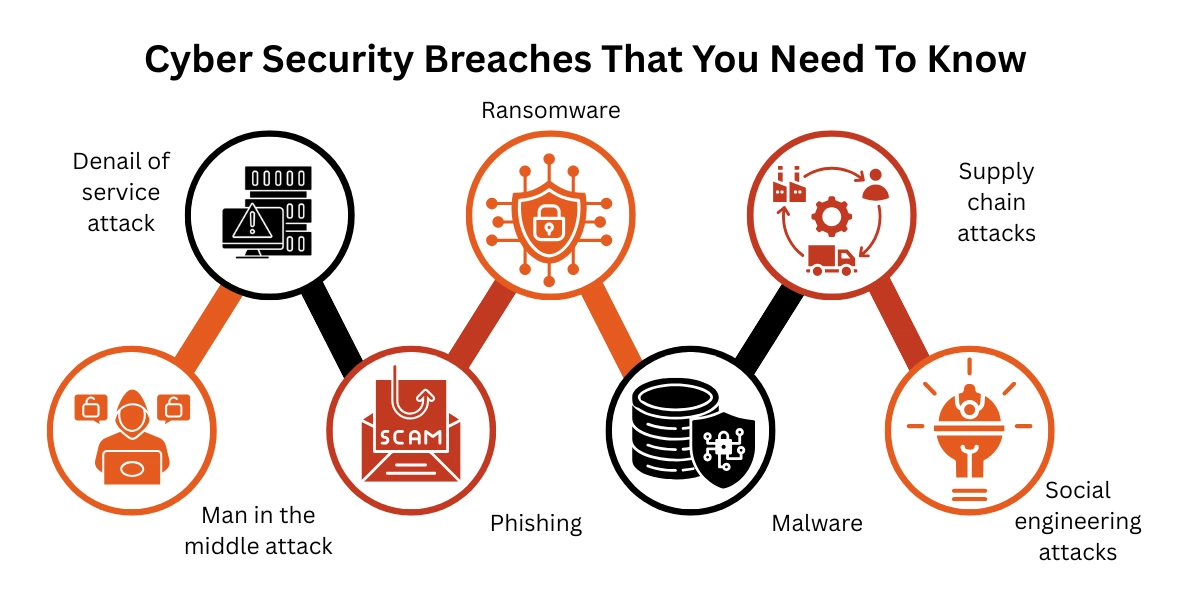
Documentation improves clarity. Training reinforces confidence. Regular review strengthens readiness. Cybersecurity Incidents become manageable when teams understand expectations.
Prepared organizations treat readiness as ongoing work. They refine processes continuously. Cybersecurity Incidents test preparation, but they do not overwhelm prepared teams. Strong foundations turn response into execution instead of improvisation.
How Proactive Culture Reduces Cybersecurity Incidents Failure
Culture shapes response behavior. A proactive culture encourages accountability and awareness. Teams remain alert and engaged. Cybersecurity Incidents demand this mindset.
Leadership sets the tone. When leaders prioritize preparation, teams follow. Communication improves. Responsibility becomes shared. Cybersecurity Incidents feel less chaotic in proactive environments.
Culture supports resilience. Teams respond with purpose instead of panic. Businesses that invest in culture reduce failure during Cybersecurity Incidents. Preparation becomes part of daily operations.
Preparing Better for Cybersecurity Incidents Through Continuous Improvement
Preparation does not end after planning. Continuous improvement strengthens readiness over time. Organizations review processes and refine workflows. This approach builds confidence.
Cybersecurity Incidents evolve. Preparation must evolve too. Businesses that adapt maintain control. They identify gaps early and correct them.
Continuous improvement creates resilience. It keeps teams aligned and informed. Cybersecurity Incidents become challenges, not disasters. Prepared organizations recover faster and operate with confidence.
The Conclusion
Businesses fail during cybersecurity incidents because they overlook preparation. Weak planning, confusion, and reactive behavior increase damage. Preparation changes this outcome. Clear processes, strong culture, and continuous improvement create resilience. Cybersecurity Incidents test readiness, not intention. Organizations that prepare respond with clarity and control. They protect operations and maintain stability. Preparation today prevents failure tomorrow.
Frequently Asked Questions
1. What causes businesses to fail during cybersecurity incidents?
Businesses fail because of weak preparation, unclear roles, and reactive decision-making.
2. Can cybersecurity incidents be fully prevented?
No. Preparation focuses on reducing impact and improving response.
3. Why does planning matter during cybersecurity incidents?
Planning provides clarity and structure when pressure increases.
4. How does culture affect cybersecurity incident response?
Culture influences awareness, accountability, and coordination.
5. Is technology enough to handle cybersecurity incidents?
Technology helps, but people and processes drive outcomes.
6. How does poor communication worsen cybersecurity incidents?
It delays decisions and increases confusion.
7. What is the role of leadership during cybersecurity incidents?
Leadership provides direction and stability.
8. How often should preparation plans be reviewed?
Organizations should review them continuously.
9. Do small businesses face cybersecurity incidents too?
Yes. All businesses face risk regardless of size.
10. What is the first step to prepare better?
Start by defining roles, processes, and communication paths.
References

Senior Solution Architect with 23 years of experience in different Technology sectors. Diligent, forward-thinking, and adaptable to dynamic company, customer, and project needs.



Need support? You are our priority, We’ve got you covered.
Rapid response time to service requests, responding to all customer feedback to get in touch.
Our goal is to supply you with the best possible customer service across all our products and solutions. We look forward to helping you make the most of your AlxTel platform.