

Table Of Content
Businesses rely heavily on cloud systems and complex IT networks in the world of IT. Though cloud technology offers unprecedented agility and scalability. It also introduces challenges. Keeping in mind that costs can spiral out of control. And security threats are increasing. Scaling infrastructure without downtime can feel impossible.
This is where Digital Infrastructure Optimization comes in handy. It is the process of designing and managing IT systems. This is to ensure they are cost-effective, secure, and scalable. Optimized infrastructure allows businesses to remain agile, while maintaining compliance and controlling budgets. Companies that fail to optimize often face service interruptions. Along with that their compliance penalties, and wasted resources.
Understanding Digital Infrastructure Optimization
Digital Infrastructure Optimization is not just a technical process. Its more! It is a strategic approach that ensures IT systems operate efficiently. All while supporting business objectives. The main pillars of optimization are cost efficiency, security, and scalability. Each of these components is interconnected. Therefore, neglecting any of them can compromise the entire infrastructure.
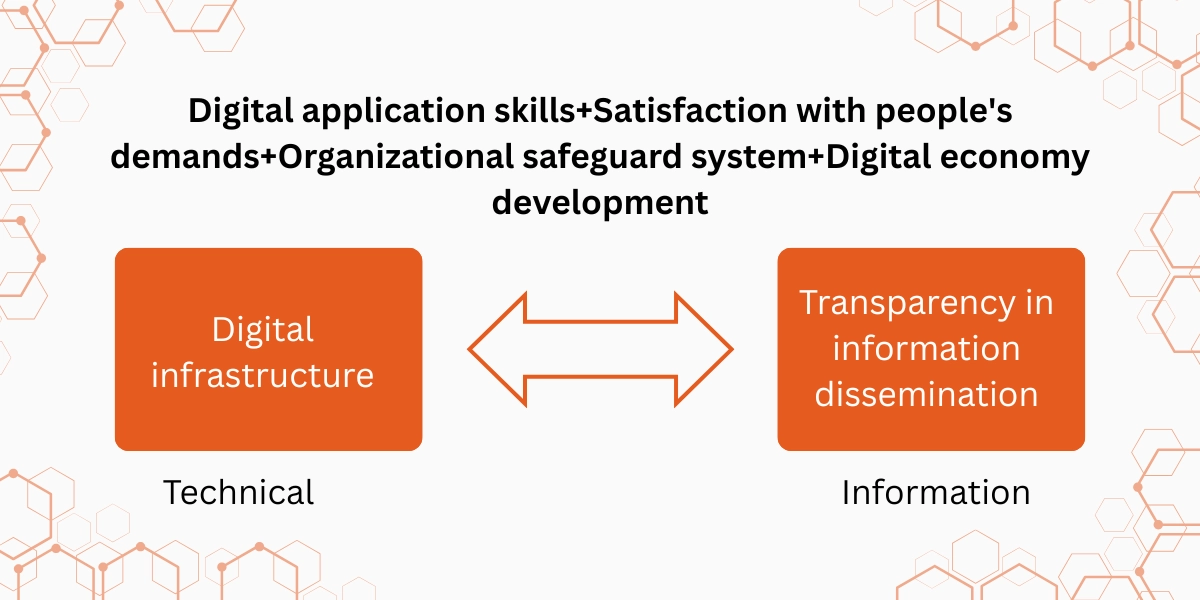
Cost efficiency involves analyzing cloud usage patterns. It also includes eliminating redundant resources. And ensuring that computing power and storage match real demand. Companies often over-provision servers. This leads to unnecessary costs, or under-provision, causing performance issues. These by adopting monitoring tools and automation. Businesses can allocate resources dynamically. This saves thousands of dollars annually.
Security is most important. Digital Infrastructure Optimization ensures data safety. It ensures that data is protected through encryption, access controls, threat detection, and regular audits. Hence, security measures must be embedded into the infrastructure from the start rather than added later. This proactive approach prevents breaches, protects sensitive information, and maintains regulatory compliance.
Scalability in systems ensures their growth alongside the business. Infrastructure must support fluctuating workloads without compromising performance. Containerization, microservices, and auto-scaling are some techniques commonly used to achieve this. And, companies that integrate cost, security, and scalability into their optimization efforts. They create a foundation for long-term success. By understanding these principles, businesses can implement strategies. These strategies not only reduce costs. But they also enhance performance and resilience. Optimization is no longer a back-office concern. Now, it is a business imperative.
Common Challenges in Modern Digital Infrastructure
Business now a days have cloud adoption. And still many struggle to manage their infrastructure effectively. Many factors are there to be taken into account. Rising workloads, complex applications, and distributed systems. They can quickly overwhelm IT teams.
Scalability issues also pose challenges. Many companies fail to plan for traffic spikes. They lead to downtime or degraded performance. Rapid growth or sudden market demand can overwhelm unoptimized infrastructure. In addition, compliance is another hurdle. Enterprises must adhere to regional and industry-specific regulations. These include GDPR, HIPAA, or ISO standards. And, failure to meet these requirements can lead to fines and operational risks.
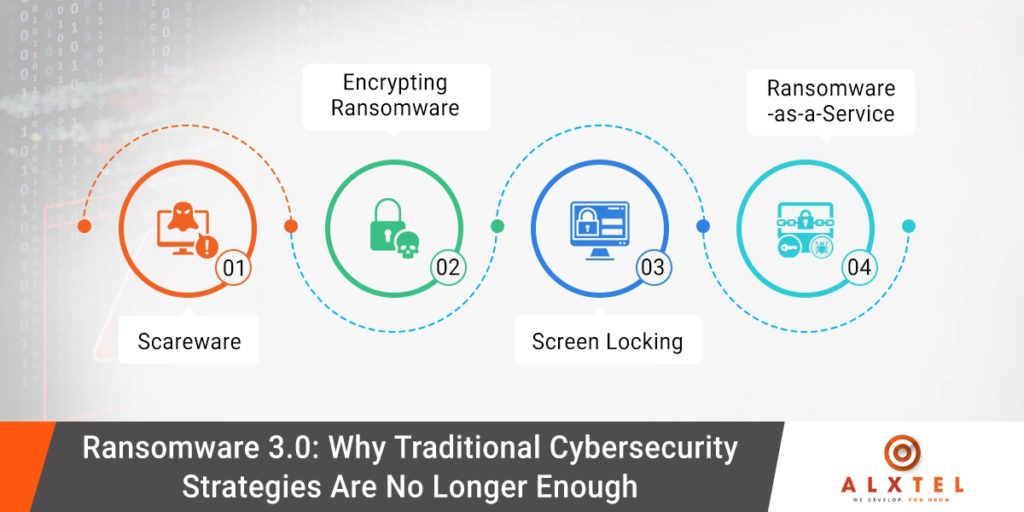
In addition, legacy systems rarely communicate across platforms. Without centralized data correlation or machine-learning analysis, small warning signs remain scattered until it’s too late. Attackers exploit this fragmentation to slip through unnoticed. They move laterally, and trigger encryption simultaneously across hundreds of devices.
Finally, when its comes to integrating all these components. Like cost, security, and scalability into a cohesive strategy is complex. This is why Digital Infrastructure Optimization is important. It helps organizations navigate these challenges systematically. They create a resilient and efficient infrastructure.
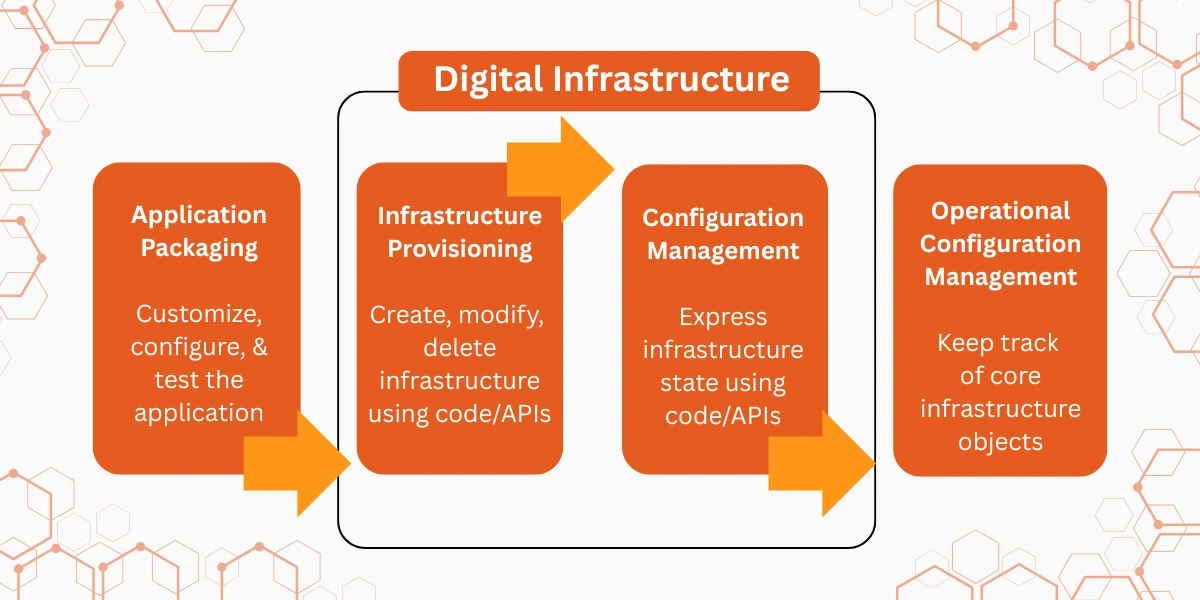
Strategies for Cost-Efficient Digital Infrastructure
Similarly, cost efficiency is a core element of Digital Infrastructure Optimization. Cost efficiency helps Businesses achieve significant savings. They can do so by carefully managing resources. And they can implement intelligent automation for it.
One strategy is right-sizing cloud resources. By analyzing the usage patterns, businesses can adjust computing and storage capacity. They can match the actual demand. Over-provisioning leads to unnecessary costs. While under-provisioning, this causes performance issues. Tools like Azure Cost Management, and Google Cloud Recommender help identify inefficiencies.
Hybrid and multi-cloud strategies are also effective. Companies can distribute workloads across multiple providers to take advantage of cost differences, service reliability, and regional compliance requirements. These strategies prevent vendor lock-in and enable flexibility.
In addition, automation plays a crucial role. Auto-scaling allows infrastructure to expand or contract dynamically. All while ensuring resources are used efficiently. Also, scheduled resource shutdowns for non-business hours also help reduce expenses.
When its about cutting the costs. The cost monitoring dashboards and FinOps practices encourage collaboration between finance and IT teams. These tools track spending in real time. They forecast budgets. And they also prevent overspending.
Finally, what makes it easier to allocate costs correctly to different departments or projects? resource tagging and governance policies. By implementing these strategies, companies can reduce waste. They improve budget control. And, they maintain performance.
Enhancing Security Through Infrastructure Optimization
Also, know that security is a non-negotiable part of Digital Infrastructure Optimization. As organizations scale their digital operations. There is a high chance of the risk of data breaches and cyberattacks increases.
A key strategy is security by design. The type that integrates protection into every layer of infrastructure. This approach includes encryption of data. It can be at rest and in transit or role-based access controls. This also includes multi-factor authentication. How companies can prevent vulnerabilities from arising later? Simply by building security into the system from the start.
Cloud-native security solutions provide real-time monitoring. They offer threat detection, and automated alerts. Hence, tools like AWS GuardDuty, Azure Security Center, and Google Cloud Security Command Center come in handy. They help IT teams identify potential threats before they become critical incidents.
Along with this the regular audits and compliance checks are essential. They ensure that the organization meets regional and industry standards. Those standards include GDPR, HIPAA, and ISO certifications. Compliance not only reduces legal risks. But also strengthens customer trust.
Then we have the disaster recovery planning. This is another aspect of security. What tactics prevent data loss and minimize downtime during unexpected events? Regular backups, failover systems, and redundancy do so.
Organizations that integrate these security measures. If they do that as part of Digital Infrastructure Optimization. They can simultaneously scale operations and control costs. Security incidents are expensive and disruptive. But, while maintaining business agility, proactive optimization reduces risk.

Achieving Scalability Without Sacrificing Cost or Security
For businesses, scalability is crucial in terms of growth too. Those that experience expansion over time or fluctuating workloads. Digital Infrastructure Optimization ensures that systems can scale efficiently. And this to happen without causing cost overruns or security vulnerabilities.
One more aspect is auto-scaling. It adjusts resources automatically based on real-time demand. This prevents over-provisioning. It also reduces idle resource costs. Load balancing tackles the problem well. It distributes traffic evenly across servers. It ensures smooth performance during peak periods.
Modular architectures allow businesses to scale individual components independently. These include microservices and containerized applications. They reduce complexity and improves system resilience. Containers, for example, enable rapid deployment. They also offer consistent performance across environments.
In addition, cloud elasticity is another key factor. On-demand resource allocation is one way. It ensures that businesses pay only for what they use. This works by scaling up during high demand and scaling down when demand decreases. Such flexibility reduces cost. And, hence avoids performance bottlenecks.
The Concluding Lines
Digital Infrastructure Optimization is the key to achieving secure, scalable, and cost-efficient systems. By implementing strategies such as right-sizing, hybrid cloud management, auto-scaling, and security by design, businesses can balance cloud agility with cost control and compliance. Real-world examples demonstrate that companies that optimize infrastructure save money, reduce risk, and improve operational efficiency.
Integration of cost, security, and scalability is essential. Frameworks like FinOps and DevSecOps provide structured approaches, while monitoring and continuous improvement ensure long-term success. Future trends, including AI, serverless computing, and edge processing, will continue to shape optimization strategies.
Organizations that adopt Digital Infrastructure Optimization proactively are better positioned to grow, innovate, and maintain competitive advantage in the digital era. It is no longer a technical luxury; it is a strategic imperative.
Frequently Asked Questions
1. What is Digital Infrastructure Optimization?
Digital Infrastructure Optimization is the process of designing, managing, and improving IT systems to ensure they are cost-efficient, secure, and scalable while fully supporting business goals.
2. Why is Digital Infrastructure Optimization important for modern businesses?
It helps companies avoid unnecessary cloud costs, reduce security risks, prevent downtime, and improve overall system performance, making it essential in today’s cloud-driven world.
3. How does optimization help reduce cloud costs?
It involves right-sizing resources, removing unused workloads, using automation, enabling scheduled shutdowns, and adopting multi-cloud or hybrid strategies to avoid overspending.
4. How does Digital Infrastructure Optimization improve security?
It integrates security from the start using encryption, access controls, threat detection tools, compliance audits, and disaster recovery planning to protect data and reduce breach risks.
5. What challenges do businesses face without infrastructure optimization?
They experience high cloud bills, security vulnerabilities, downtime, performance issues, compliance failures, and resource wastage due to unmonitored and poorly planned systems.
6. What role does scalability play in infrastructure optimization?
Scalability ensures systems can handle fluctuating workloads and business growth using auto-scaling, load balancing, containerization, microservices, and cloud elasticity.
7. How can businesses achieve scalability without raising costs?
By using on-demand resources, auto-scaling, modular architectures, and efficient workload distribution so they only pay for what they use during high and low demand periods.
8. How do cost, security, and scalability work together?
They are interconnected pillars. Neglecting one affects the others. When integrated through practices like FinOps, DevSecOps, and continuous monitoring, businesses achieve a balanced and optimized system.
9. What future trends will impact Digital Infrastructure Optimization?
AI-driven automation, serverless computing, edge processing, and advanced cloud analytics will further enhance optimization, performance, and real-time decision-making.
References

Senior Solution Architect with 23 years of experience in different Technology sectors. Diligent, forward-thinking, and adaptable to dynamic company, customer, and project needs.


Need support? You are our priority, We’ve got you covered.
Rapid response time to service requests, responding to all customer feedback to get in touch.
Our goal is to supply you with the best possible customer service across all our products and solutions. We look forward to helping you make the most of your AlxTel platform.