

Table Of Content
Do you struggle to turn data into actionable decisions? Smart manufacturing insights turns your raw data into business growth. Today’s highly competitive global marketplace is tricky! Manufacturing businesses need to be more efficient. They can no longer rely solely on traditional methods of production and decision-making. To stay ahead they ought to do more! Companies must embrace a more intelligent, data-driven approach. Such an approach streamlines operations. This fuels long-term business growth. Manufacturing analytics solutions come into play with these advantages.
Vast amounts of production, supply chain, and quality-control data are major assets. Turning these into actionable insights can provide with many benefits. The manufacturers can identify inefficiencies through this process. And they can also predict potential disruptions. This helps them to respond to market demands with agility. How manufacturing analytics solutions empower your business to make better and faster decisions? Simply by reducing unplanned downtime. This improves product quality. It also optimizes inventory management.
Smart manufacturing analytics is more than just a technological upgrade. They have become the cornerstone of smart manufacturing. They enable businesses to align their operations with digital transformation goals. In addition to that they enhance customer satisfaction. This helps to drive profitability in a rapidly evolving industry.
What Are Manufacturing Analytics?
Manufacturing analytics refers to the systematic use of data. Along with it we add statistical models, and advanced technologies to these analytics. For example: artificial intelligence (AI) and machine learning. Such a combination of tech helps to evaluate, optimize, and improve manufacturing processes. It involves collecting large volumes of raw data from multiple sources. This includes production machines, sensors, supply chains, and quality control systems. The data collected is transformed into valuable insights for decision-makers.
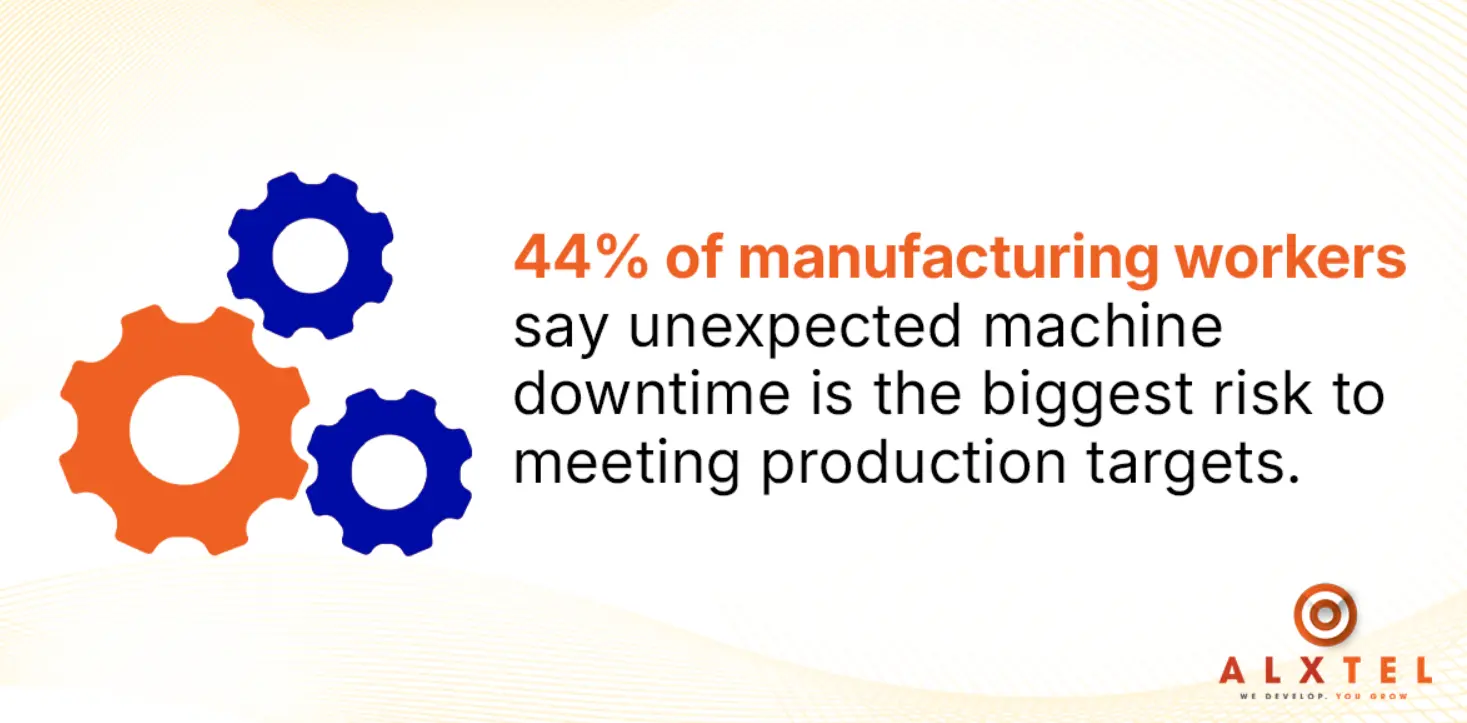
Now the question is why not traditional reporting since many organizations have used it? Because it often relies on historical trends. Whereas, manufacturing analytics solutions delivers real-time visibility into operations. And today’s businesses demand real-time visibility that smart manufacturing insights provide. This means manufacturers can identify problems as they occur. Rather than identifying them after they have already impacted production. For example, an analytics dashboard might detect a pattern in machine performance. Which indicates a potential breakdown. Thus, allowing maintenance teams to intervene before costly downtime happens. Hence, avoiding potential financial disasters.
Manufacturing analytics solutions also go beyond simple monitoring. How? They integrate with cloud platforms, edge computing, and IoT devices. This is to provide predictive and prescriptive analytics. This helps companies build a better understanding of what has happened. And, It also forecasts future events, recommending the best course of action.
Manufacturing analytics solutions empowers organization to move from reactive decision-making to proactive strategies. This happens by making it an essential driver of operational efficiency and growth. In the era of smart manufacturing, no business shall face downtime and potential financial risks.
What Are the Benefits of Manufacturing Analytics?
The manufacturing industry generates massive amounts of data every day. The data that is the drive force of many organizations. But without the right tools, this data often remains underutilized. Hence, a huge loss of revenue generation. But there is a way organizations can unlock hidden value. Yes, by implementing manufacturing analytics solutions. Businesses can gain greater visibility into operations, and drive business growth. Find some of the most impactful benefits below:
Reduced Downtime
The most common one? Yes! unplanned downtime is one of the most costly challenges manufacturers face. But manufacturers can anticipate equipment failures before they occur. How? Simply through predictive analytics and machine learning. There are certain anomalies in machine performance. By identifying them, businesses can schedule maintenance proactively. In the same way they can prevent unexpected breakdowns. Such tactics ensure smoother operations.
Better Quality Control
Quality control is one of the most essential factors. Maintaining product quality is a priority for every business. Especially when it comes to building customer trust and avoiding recalls. Manufacturing analytics solutions enable real-time monitoring of production quality metrics. What do they track? Variables such as temperature, pressure, and machine performance. Companies can detect deviations early and take corrective actions. This ensures consistent product quality. And waste production is controlled.
Data-Driven Decision Making
Back in the day there were no tools or methods to evaluate decision making and it led to huge loses. Because leaders relied solely on experience and intuition. But now we have advanced tech and tactics to help counter these problems. With modern manufacturing analytics solutions, decision-makers gain access to real-time dashboards. This includes the use of advanced visualization tools. This allows them to analyze current trends and compare performance metrics. With such an approach followed, you can make informed decisions that directly impact efficiency and profitability.
Supply Chain Optimization
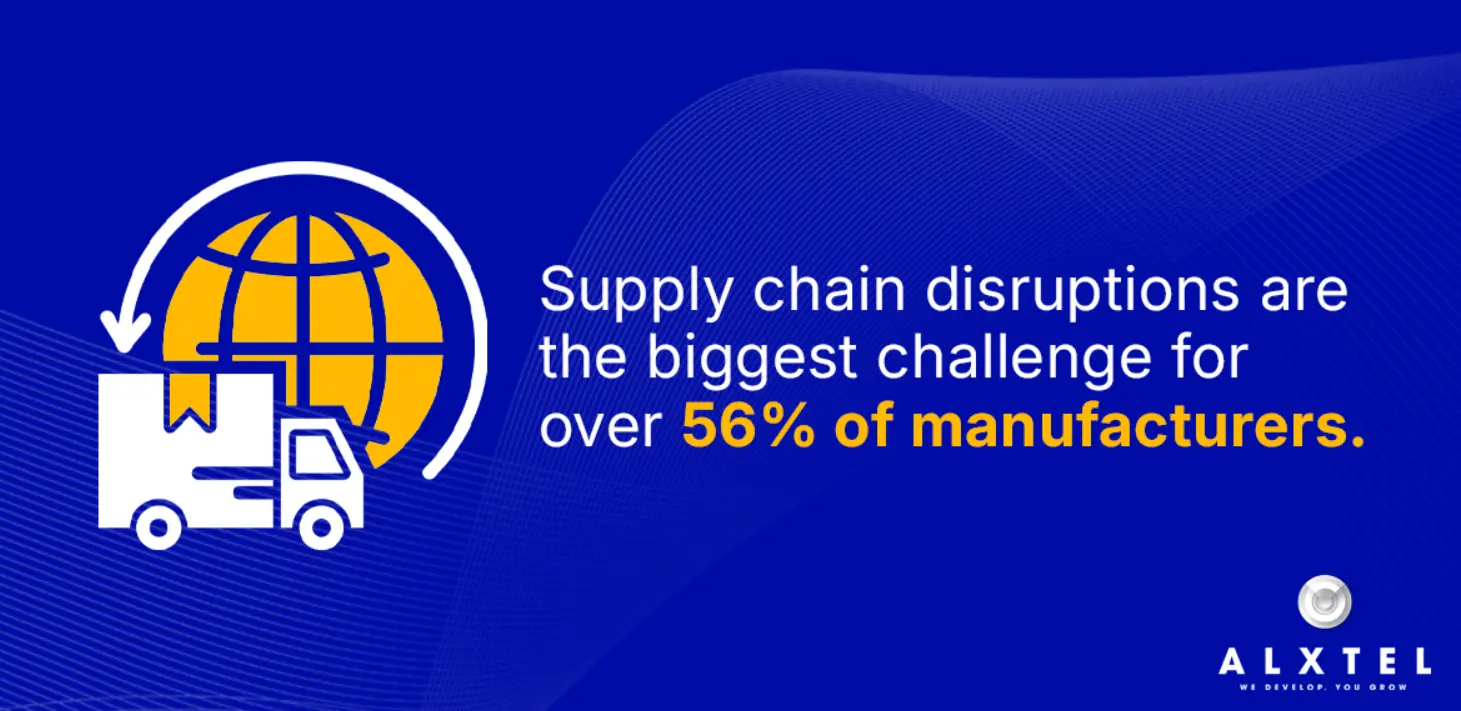
A smooth supply chain is critical to meeting customer demand efficiently. Manufacturing analytics solutions provide visibility into every stage of the supply chain. From raw materials sourcing to final product delivery. With these insights, manufacturers can forecast demand more accurately. Reduce lead times and minimize disruptions caused by inventory shortages or logistics challenges.
Manufacturing Process Improvements
How else can analytics identify inefficiencies? They do so by evaluating data from across production lines. Analytics highlight bottlenecks that slow down operations. Whether it’s fine-tuning workflows, reallocating resources, or adjusting machine settings, insights from analytics enable continuous process improvement. This creates leaner, more agile operations that can adapt quickly to changing market demands.
In essence, the benefits of manufacturing analytics are far-reaching. From reducing costs and improving customer satisfaction to boosting productivity and innovation, these solutions give manufacturers the edge they need to remain competitive in a digitally driven market.
Manufacturing Analytics Use Cases for Businesses
The real power of manufacturing analytics solutions lies in how they can be applied to solve specific business challenges. Below are four practical use cases that demonstrate its value:
Predictive Maintenance
By analyzing machine data, predictive models can forecast when equipment is likely to fail. This allows businesses to perform maintenance just in time, avoiding costly breakdowns and extending the lifespan of machinery.
Quality Monitoring
Analytics provides real-time insights into product quality, detecting inconsistencies before they escalate. For example, if a production parameter exceeds acceptable limits, the system can trigger alerts, enabling quick corrective action and minimizing defective output.
Production Planning & Scheduling
Balancing production capacity with demand is often complex. Analytics helps by analyzing historical and current data to optimize schedules, reduce bottlenecks, and ensure resources are allocated efficiently. This improves on-time delivery and customer satisfaction.
Inventory Optimization
Holding too much or too little inventory can harm profitability. Analytics uses demand forecasting and trend analysis to determine optimal inventory levels. This ensures products are available when needed while minimizing excess stock and storage costs.
What Are the Goals of Manufacturing Analytics?
Manufacturing analytics is not just about collecting and displaying data, it’s about aligning insights with strategic business objectives. The ultimate aim is to transform raw data into meaningful actions that improve efficiency, minimize risks, and increase profitability. Below are the primary goals of adopting manufacturing analytics solutions.
Solve Problems Proactively
One of the key goals is shifting from a reactive to a proactive manufacturing model. Instead of waiting for machines to break down or processes to fail, predictive analytics helps identify potential problems early. This allows teams to address issues before they escalate, saving time, money, and resources.
Break Down Data Silos
Manufacturing companies often struggle with data being fragmented across multiple systems, ERP, supply chain, quality control, and production machines. Analytics consolidates this information into a unified platform, breaking down silos and creating a holistic view of operations. This ensures that every department is working from the same, reliable source of truth.
Enable Faster, Better Decisions
Speed is critical in today’s competitive environment. Real-time analytics dashboards empower decision-makers to quickly assess performance, spot inefficiencies, and act on accurate information. Faster decisions mean fewer missed opportunities and improved responsiveness to changing market conditions.
Drive Automation Through AI
Modern manufacturing analytics integrates artificial intelligence and machine learning to automate repetitive tasks and generate prescriptive recommendations. From triggering alerts when anomalies occur to suggesting corrective actions, AI-driven automation streamlines processes and reduces reliance on manual monitoring.
Increase Profitability
Ultimately, all of these goals feed into the overarching objective of maximizing profitability. Whether it’s through reducing downtime, improving product quality, or optimizing inventory levels, manufacturing analytics helps businesses cut costs and generate higher returns on investment.
Implementing a Manufacturing Analytics Solution
While the benefits of manufacturing analytics are clear, realizing them requires careful implementation. Successful deployment involves aligning technology, people, and processes to ensure analytics delivers tangible results.
Data Connectivity
The foundation of analytics lies in seamless data integration. Manufacturers need to connect data from multiple sources, machines, sensors, ERP systems, supply chain platforms, and customer databases. Robust data connectivity ensures that analytics platforms can pull accurate, real-time information to generate meaningful insights.
Cloud Analytics
The cloud plays a vital role in scaling manufacturing analytics solutions. Cloud platforms provide the flexibility and storage capacity needed to manage massive volumes of manufacturing data. They also enable remote access, so stakeholders can view performance insights from anywhere in the world.
Advanced Visualization
Complex data needs to be presented in an intuitive way. Advanced visualization tools transform datasets into easy-to-understand dashboards, charts, and graphs. This ensures that decision-makers at every level. From base supervisors to executives, they can interpret insights without needing technical expertise.
Revolutionize Your Operations With Manufacturing Analytics
The manufacturing industry is entering a new era, where data and technology are the drivers of competitive advantage. Companies that rely on outdated processes risk falling behind, while those that embrace manufacturing analytics solutions position themselves for long-term growth and resilience.
By leveraging analytics, manufacturers gain the power to predict disruptions, maintain superior product and service quality, optimize resources, and make decisions with confidence. More importantly, analytics transforms operations from being reactive to being proactive, empowering organizations to solve challenges before they impact the bottom line.
In an environment where customer expectations are rising and market conditions are constantly shifting, manufacturing analytics is no longer optional it’s essential. Businesses that adopt these solutions are better equipped to innovate, adapt, and thrive in the digital age.
At AlxTel, we specialize in delivering advanced analytics and IT solutions tailored to the unique needs of manufacturers. From data connectivity and AI-driven insights to cloud integration and collaboration tools, our expertise ensures your business can fully unlock the value of manufacturing analytics.
It’s time to take the next step in your digital transformation journey. Embrace smart manufacturing insights today and watch as your operations evolve into a more efficient, resilient, and profitable system.
Frequently Asked Questions
What is manufacturing analytics?
Manufacturing analytics is the use of data, AI, and machine learning to analyze production processes, improve efficiency, and enable smarter decisions.
How do manufacturing analytics solutions benefit businesses?
They reduce downtime, improve quality, optimize supply chains, and support data-driven decision-making, leading to higher profitability.
Can manufacturing analytics reduce unplanned downtime?
Yes, predictive maintenance powered by analytics helps identify equipment issues early, minimizing costly downtime.
What role does AI play in manufacturing analytics?
AI enhances analytics by identifying patterns, predicting outcomes, and recommending actions, enabling greater automation and accuracy.
How does manufacturing analytics improve product quality?
By monitoring production parameters in real time, analytics detects deviations quickly, ensuring consistent product quality and reduced waste.
Is manufacturing analytics suitable for small and mid-sized manufacturers?
Yes, scalable solutions allow businesses of all sizes to adopt analytics according to their operational and budget needs.
How does cloud analytics support manufacturing operations?
Cloud platforms centralize data, provide flexibility, and allow stakeholders to access insights anytime, anywhere.
What are common use cases of manufacturing analytics?
Predictive maintenance, quality monitoring, production planning, and inventory optimization are some key applications.
How can manufacturing analytics increase profitability?
By cutting operational costs, improving efficiency, and enhancing resource utilization, analytics directly contributes to better margins.
What should companies consider when implementing manufacturing analytics solutions?
Successful implementation requires robust data connectivity, integration with IoT and cloud systems, employee training, and ongoing optimization.
References

Senior Solution Architect with 23 years of experience in different Technology sectors. Diligent, forward-thinking, and adaptable to dynamic company, customer, and project needs.




Need support? You are our priority, We’ve got you covered.
Rapid response time to service requests, responding to all customer feedback to get in touch.
Our goal is to supply you with the best possible customer service across all our products and solutions. We look forward to helping you make the most of your AlxTel platform.